

Wondering about How Race Cars are Changing the Way We Look at Automotive Technology? Check out our most recent post to learn more about how race cars are pushing the boundaries of automotive technology and how this is influencing the industry.
Racing has been around for centuries, but it has only been in the last few decades that automotive technology has made a major impact on the sport. From the evolution of race car design to the introduction of safety features, automotive technology is transforming the industry. In this article, we will explore how automotive technology is impacting racing, the benefits it offers, and how it is enhancing performance. We will also look at the challenges faced by race car drivers and examine the future outlook for automotive technology in racing. Finally, we will discuss the environmental impact of automotive technology on racing and its potential implications for our planet.

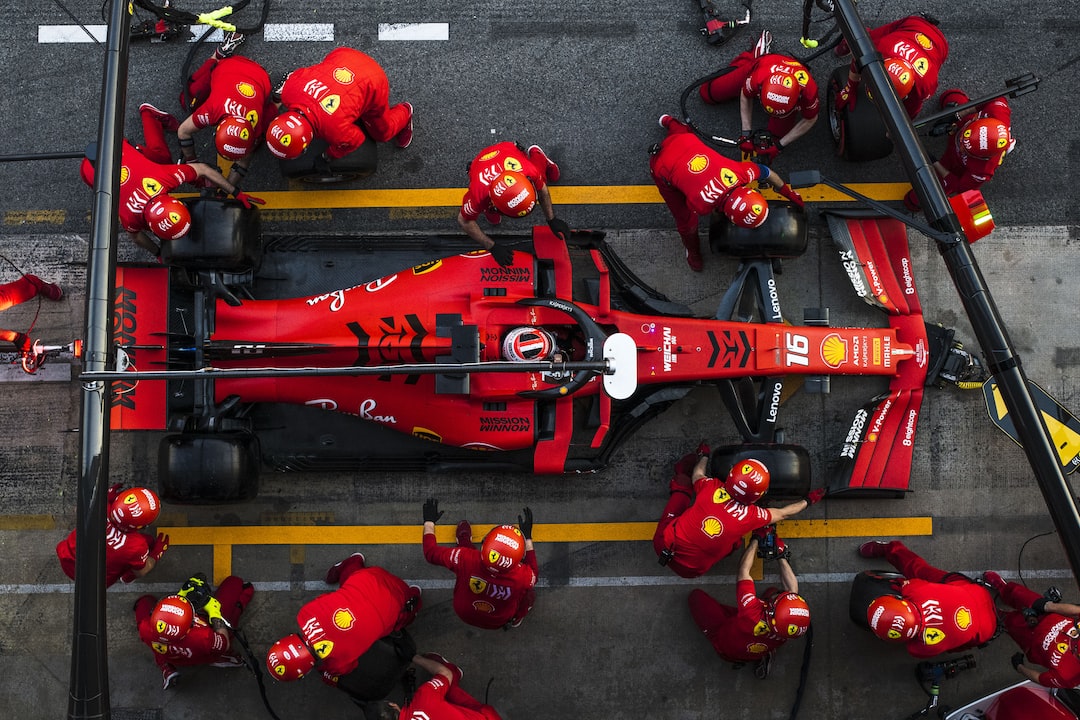
A photo of race car by gustavo Campos
History of Racing Technology
The history of racing technology is a long and fascinating one. From the earliest days of motor racing to the modern era, the development of technology has been an integral part of the sport. From the invention of the combustion engine to the use of sophisticated computer systems, technology has been used to make cars faster and more reliable.
In the early days of motor racing, cars were powered by steam engines or internal combustion engines. These engines were crude compared to today’s standards, but they allowed for faster speeds than ever before. As technology advanced, so did the performance of these engines. By the mid-1900s, cars were powered by highly efficient gasoline engines that could reach speeds in excess of 200 mph.
As time went on, manufacturers began to focus on aerodynamics and weight reduction in order to gain a competitive edge on the track. This led to the development of lightweight materials such as carbon fiber and aluminum that could be used to build lighter and faster cars. In addition, computer systems began to be used to monitor engine performance and optimize fuel efficiency.
Today, modern racecars are equipped with some of the most advanced technologies available. Computers are used extensively in order to monitor and control every aspect of a car’s performance from engine power output to suspension settings. In addition, telemetry systems allow teams to track their drivers’ performance in real-time and make adjustments accordingly.
The history of racing technology is an ongoing story that continues to evolve with each passing year. As new technologies are developed, they are quickly adopted by teams looking for an edge on the competition. From advanced aerodynamics and lightweight materials to computer monitoring systems, racing technology has come a long way since its humble beginnings over a century ago.
Evolution of Race Car Design
Race car design has come a long way since the first cars were built in the late 19th century. The earliest race cars were designed for speed, but over time, engineers have worked to improve their performance and safety. From the early days of open-wheel racing to modern Formula One cars, race car design has evolved significantly.
The earliest race cars had simple designs with few safety features. They were open-wheel vehicles with no bodywork or aerodynamic aids. These cars relied on lightweight construction and powerful engines for speed, but they lacked the stability and protection of modern race cars.
In the 1950s and 1960s, race car designers began to focus on aerodynamics as a way to improve performance. They experimented with different shapes and materials to reduce drag and increase downforce. This allowed them to go faster while maintaining control of the vehicle.
Today, modern Formula One cars are some of the most advanced machines ever built. They feature complex aerodynamic designs that maximize downforce while minimizing drag. The chassis is made from lightweight materials such as carbon fiber and titanium, which helps reduce weight and improve performance. Safety features such as roll cages and fire extinguishers are also standard on modern race cars.
Race car design has come a long way since its humble beginnings in the late 19th century. Engineers have worked hard to develop new technologies that improve performance and safety, resulting in some of the fastest and most advanced machines ever built.
Safety and Automotive Technology
The automotive industry is constantly evolving to keep up with the latest safety and technological advancements. As cars become smarter, they are able to detect potential hazards and alert drivers to them. Automakers are also incorporating features such as automatic emergency braking and lane-keeping assistance to make driving safer.
In addition to these advances, automakers are utilizing new materials in the construction of vehicles that can help protect passengers in the event of a crash. High-strength steel, aluminum, and carbon fiber are being used in place of traditional materials to create lighter and stronger cars that can absorb energy more effectively during an impact.
Connected vehicles are becoming increasingly popular as well. These cars are equipped with sensors that allow them to communicate with other vehicles on the road and provide drivers with real-time information about their surroundings. This technology can be used to detect potential hazards such as traffic jams or icy roads, allowing drivers to adjust their speed accordingly and stay safe on the road.
Automakers are also investing heavily in autonomous vehicle technology, which promises to revolutionize the way we travel. Autonomous vehicles use a combination of cameras, radar, lidar, and other sensors to navigate roads without human input. This technology is still in its infancy but has tremendous potential for making roads safer by eliminating human error from the equation.
Overall, safety is a top priority for automakers when it comes to automotive technology. By utilizing new materials and advanced technologies such as connected vehicles and autonomous driving systems, automakers are striving to make our roads safer than ever before.
The Role of Automotive Technology in Racing
Racing has been a part of the automotive industry since its inception. As technology has advanced, so has the role of automotive technology in racing. From engine and drivetrain design to aerodynamics and safety, automotive technology plays an important role in helping racers achieve success on the track.
In terms of engine and drivetrain design, automotive technology has enabled engineers to develop engines that are more powerful and efficient than ever before. Modern engines are designed with computer-aided engineering (CAE) software which allows for precise calculations and simulations to be made. This enables engineers to create engines that can produce more power while still being fuel efficient.
Automotive technology also plays a major role in aerodynamics. Aerodynamic design helps reduce drag, which reduces the amount of energy needed to propel a vehicle forward. This is especially important for race cars as it allows them to reach higher speeds with less effort. Automotive engineers use computer simulations and wind tunnel testing to ensure that their designs are as aerodynamic as possible.
Safety is another area where automotive technology has had an impact on racing. Automotive engineers have developed new materials such as carbon fiber and Kevlar which are stronger and lighter than traditional materials like steel or aluminum. These materials are used in race cars to help protect drivers from impacts and debris on the track. Additionally, safety features such as roll cages, fire suppression systems, and seatbelt harnesses have been developed to further protect drivers from harm while racing.
In conclusion, automotive technology plays an important role in racing by enabling engineers to develop more powerful and efficient engines, improve aerodynamics, and enhance safety features for drivers on the track. Without these advancements in automotive technology, racing would not be what it is today.
How Automotive Technology is Transforming the Industry
The automotive industry is undergoing a major transformation, thanks to the introduction of new technologies. Automotive technology has been evolving rapidly over the past few years, and it is now revolutionizing the way cars are made, sold, and used. From autonomous vehicles to connected cars and electric powertrains, these technologies are transforming the industry in a number of ways.
The most obvious impact of automotive technology is on safety. Autonomous vehicles are equipped with advanced sensors and software that allow them to detect potential hazards on the road and take evasive action if necessary. This technology has already helped reduce traffic fatalities by more than 30%, according to some estimates. Additionally, connected cars can alert drivers to potential dangers before they occur, such as when another vehicle is approaching too quickly or when a road hazard is ahead.
Another major impact of automotive technology is on efficiency. Electric powertrains are becoming increasingly popular due to their superior fuel economy compared to traditional gasoline engines. Additionally, connected cars can help drivers optimize their routes for maximum efficiency, saving time and money in the process. Finally, autonomous vehicles can help reduce congestion on roads by allowing for smoother traffic flow through smarter route planning.
Finally, automotive technology is also having an impact on how cars are bought and sold. Online car-shopping platforms have become increasingly popular in recent years, allowing consumers to compare prices and features from different dealerships without ever leaving their homes. Additionally, new technologies such as augmented reality (AR) have made it possible for buyers to virtually “test drive” a car before making a purchase decision.
In conclusion, automotive technology has had a major impact on the industry in recent years. From improving safety to increasing efficiency and transforming how cars are bought and sold, these technologies have revolutionized the way we think about cars today. As this trend continues into the future, we can expect even more exciting changes in the coming years.
The Benefits of Automotive Technology for Racing
Racing is a sport that has been around for centuries, and it has evolved significantly with the development of automotive technology. Automotive technology has revolutionized the sport by providing racers with improved safety features, better performance, and more efficient engines. The benefits of automotive technology for racing are numerous and can be seen in all forms of racing from drag racing to Formula One.
One of the most significant benefits of automotive technology for racing is improved safety features. Automotive technology has allowed engineers to create cars that are safer than ever before. Cars now feature advanced airbags, crumple zones, and other safety features that help protect drivers in the event of an accident. This increased safety has allowed racers to push their limits without having to worry about their safety as much as they did in the past.
Another benefit of automotive technology for racing is improved performance. Automotive technology has enabled engineers to develop engines that are more powerful and efficient than ever before. This increased power allows racers to reach higher speeds and achieve better lap times than ever before. Additionally, modern engines are more fuel-efficient than older models, which helps reduce costs associated with fuel consumption during races.
Finally, automotive technology has also made cars easier to maintain and repair. Modern cars feature computerized systems that allow mechanics to quickly diagnose problems and make necessary repairs or adjustments quickly and efficiently. This makes it easier for teams to keep their cars in top condition throughout a race season without having to spend too much time on maintenance or repairs.
Overall, automotive technology has significantly changed the way people race today by providing them with improved safety features, better performance, and more efficient engines. These advancements have allowed racers to push their limits while staying safe on the track and have helped make racing a more enjoyable experience overall.
How Automotive Technology is Enhancing Performance
The automotive industry has seen a rapid rise in technology over the last decade, and this has had a huge impact on the performance of cars. Automotive technology is now being used to improve fuel efficiency, reduce emissions, and increase power output. This technology is allowing car manufacturers to create vehicles that are more powerful, efficient, and reliable than ever before.
Modern automotive technology includes advanced computer systems, sensors, and software that can monitor and adjust engine performance in real-time. This allows for precise control of the engine’s power output and fuel efficiency. Additionally, new materials such as carbon fiber are being used to reduce weight and increase strength. This allows for lighter cars that can handle more power without sacrificing safety or reliability.
Automotive technology is also being used to improve the driving experience. Advanced driver assistance systems (ADAS) use cameras and sensors to detect potential hazards on the road and alert drivers to them. This helps drivers stay safe while driving and reduces the risk of accidents. Additionally, new infotainment systems allow drivers to access navigation, music streaming services, and other features while driving.
Finally, automotive technology is being used to make cars more eco-friendly. Hybrid and electric vehicles are becoming increasingly popular due to their low emissions and high fuel efficiency. Additionally, new technologies such as regenerative braking are allowing cars to capture energy from braking which can be used to recharge batteries or provide additional power when needed.
Overall, automotive technology has come a long way in recent years and it has had a huge impact on vehicle performance. From improved fuel efficiency to enhanced safety features, modern cars are now more powerful, efficient, reliable, and eco-friendly than ever before thanks to advances in automotive technology.
Challenges Faced by Race Car Drivers
Race car driving is a sport that requires immense skill, focus and dedication. It is also a sport that can be extremely dangerous. Race car drivers face many physical and mental challenges as they strive to become champions.
Mental Challenges: Race car drivers must have an immense amount of focus and concentration in order to be successful. They must be able to stay calm under pressure and make split-second decisions in order to stay ahead of the competition. Additionally, race car drivers must have the mental strength to push through the physical pain of racing for extended periods of time.
Physical Challenges: The physical demands of race car driving are immense. Drivers must endure long hours in the cockpit, often with temperatures reaching over 100 degrees Fahrenheit. They also need to have strong neck muscles in order to withstand the G-forces experienced during races. Additionally, race car drivers must have excellent reflexes and hand-eye coordination in order to react quickly to changes on the track.
Technical Challenges: Race car drivers need a deep understanding of their cars and how they work in order to get the most out of them during races. They must be able to make quick adjustments on their cars if needed, as well as understand how different parts affect performance. Additionally, race car drivers need to know how different tracks will affect their cars’ performance in order to get the best results possible.
Safety Challenges: Safety is always a priority for race car drivers, as even minor mistakes can lead to serious injuries or even death. Race car drivers must always wear protective gear such as helmets and fire-resistant suits when racing, and they must also be aware of their surroundings at all times while on the track. Additionally, race car drivers need to be constantly vigilant about potential hazards such as debris on the track or other cars that may cause them harm while racing.
Overall, race car driving is an incredibly challenging sport that requires intense focus and dedication from its participants. Race car drivers face many physical, mental and technical challenges while striving for success on the track, but with hard work and determination they can achieve greatness in this thrilling sport.
Future Outlook for Automotive Technology in Racing
The automotive industry is constantly evolving and changing, and the future of racing is no different. Automotive technology has been a major factor in the development of modern racing, and it will continue to be a driving force in the years to come. As new technologies become available, racers will have access to more powerful cars and better performance.
In the near future, electric vehicles are expected to make their way onto the track. Electric cars are becoming increasingly popular in the consumer market, and they are likely to become more prevalent in racing as well. Electric vehicles offer several advantages over traditional gas-powered cars, including increased efficiency and reduced emissions. This could make them an attractive option for racers who want to reduce their environmental impact while still enjoying high-performance driving.
Another area of automotive technology that is likely to have an impact on racing is autonomous driving. Autonomous cars are already being tested on public roads, and it’s only a matter of time before they become commonplace on the track as well. Autonomous vehicles could provide racers with an unprecedented level of control over their cars, allowing them to focus more on strategy than on driving itself.
In addition to these advances, there are also likely to be improvements in safety technology. New sensors and other safety features can help protect drivers from dangerous situations on the track, allowing them to race with greater confidence. This could lead to more exciting races as drivers push themselves further without having to worry about their safety.
Overall, it’s clear that automotive technology will continue to play a major role in the future of racing. Electric vehicles, autonomous driving systems, and improved safety features will all be key factors in how races are conducted in the years ahead. Racers who embrace these technologies will be able to take advantage of their benefits and gain an edge over their competitors.
Impact of Automotive Technology on the Environment
The automotive industry is one of the most influential and important industries in the world, with cars being a major part of modern life. But as cars become more advanced and efficient, their impact on the environment has also become a major concern. Automotive technology has had both positive and negative impacts on the environment, from reducing emissions to increasing air pollution.
The most obvious benefit of automotive technology is its ability to reduce emissions. Modern cars are much more fuel-efficient than their predecessors, which means they produce fewer pollutants. This has led to cleaner air and improved air quality in many cities around the world. Additionally, electric cars are becoming increasingly popular, which further reduces emissions by eliminating the need for gasoline or diesel fuel altogether.
However, there are also some negative impacts of automotive technology on the environment. For example, manufacturing cars requires a lot of energy and resources, which can lead to increased air pollution from factories and other sources. Additionally, disposing of old cars can be difficult and can lead to hazardous materials being released into the environment.
Finally, another issue that needs to be addressed is traffic congestion. As more people buy cars and use them for transportation, roads become more congested which can lead to increased air pollution from car exhausts. Additionally, traffic congestion can lead to longer commute times which can have a negative effect on people’s mental health as well as their overall quality of life.
Overall, automotive technology has had both positive and negative impacts on the environment. While it has helped reduce emissions and improve air quality in many areas around the world, it has also caused some problems such as increased air pollution from factories and traffic congestion. To ensure that these negative impacts are minimized while still allowing people to enjoy the benefits of modern automotive technology, governments must continue to invest in research and development in order to find solutions that will benefit both people and the planet.
Closing Thoughts
Speed Demons: How Race Cars are Changing the Way We Look at Automotive Technology has explored the fascinating history of racing technology, from its humble beginnings to its current state of evolution. We have discussed the role of automotive technology in racing and how it is transforming the industry, as well as the benefits it provides for race car drivers and performance. We have also looked at some of the challenges faced by race car drivers and the future outlook for automotive technology in racing, as well as its impact on the environment.
Overall, it is clear that automotive technology has played a major role in revolutionizing race car design and performance. It has opened up new possibilities for racers and allowed them to reach higher speeds than ever before. As technology continues to advance, it will no doubt continue to shape the world of racing in exciting ways.
Thank you for joining us on this journey through Speed Demons: How Race Cars are Changing the Way We Look at Automotive Technology! If you have any thoughts or information on this topic, please share them in the comments below.

